Water is life – for people, nature, and industries like ours. Semiconductors, or ‘chips’, are the unseen components in our smartphones, electric vehicles and medical devices that are increasingly indispensable in daily life.
This article from our sustainability magazine Amplify highlights how our teams are enhancing water recycling in Kirkop (Malta) and strengthening collaborative water stewardship in Shenzhen (China).
Water stewardship in action
Chip production relies heavily on water, especially ultrapure water, which is needed to manufacture them. This dependency challenges semiconductor makers to optimize their use of water. By prioritizing water recycling and efficient usage, companies can reduce environmental impact while supporting the industry’s growth and resilience.
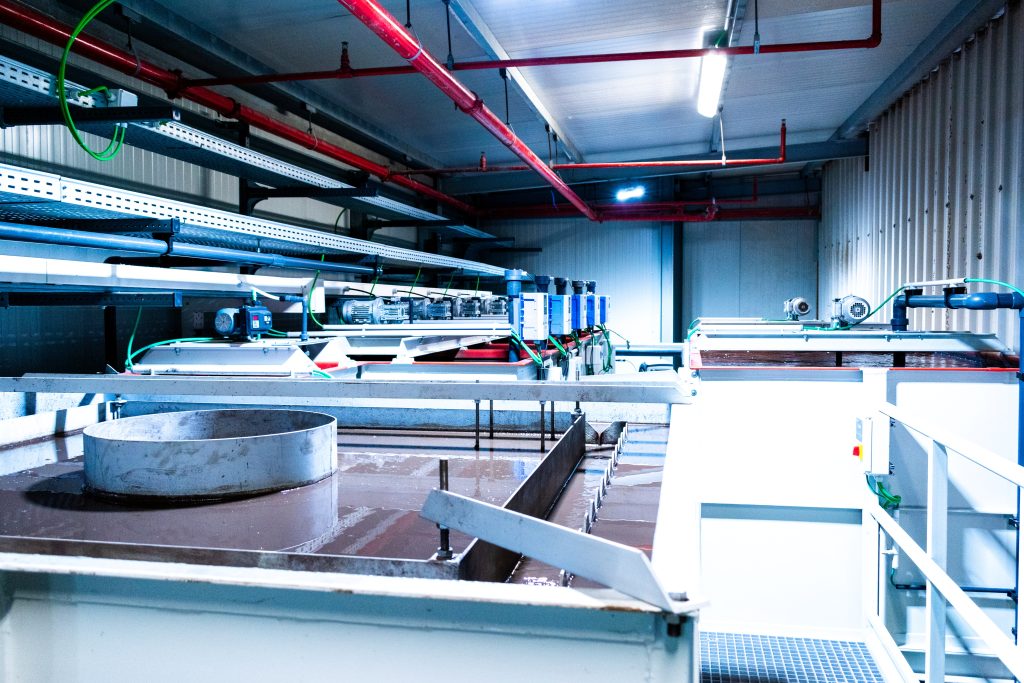
At ST, we have developed a clear and practical approach to water stewardship focused on monitoring, risk management, and innovative solutions. This includes water stress assessments, conservation programs, water efficiency improvements, and wastewater treatment initiatives.
Putting this approach into practice means implementing effective solutions at our sites. In Kirkop (Malta), our team introduced an advanced water recycling system that treats and reuses both production and facility wastewater. This system helps conserve valuable water resources while supporting our manufacturing needs.
To better understand how this innovative system works, let’s take a closer look at the water treatment process step by step.
01 / EQUALIZATION TANK
Water from production, domestic, and other facility sources is collected and mixed in the equalization tank. Here, the pH is carefully adjusted to create an optimal environment for beneficial bacteria to thrive.
02 / OXIDATION TANK
The water flows into the oxidation tank, where tiny air bubbles promote natural breakdown of pollutants by bacteria. Nutrients such as glucose, urea, and phosphorus are added in precise amounts to support this process. Bioflocculation occurs here, causing bacteria and particles to clump together, which helps separate solids and improve water quality.
03 / MICRO BIOREACTOR (MBR) MEMBRANE FILTRATION
The water then passes through the MBR membrane, an advanced filtration system that uses pressure to produce clean, high-quality water within a compact footprint. A 24/7 online monitoring system continuously tracks water quality, ensuring the treated water meets ultrapure standards and is ready for reuse.
04 / SLUDGE MANAGEMENT AND DECANTING
To maintain system efficiency, sludge is regularly removed. A decanter extracts water from the sludge, leaving solid waste that is safely managed, completing a carefully controlled cycle of treatment and reuse.
The need for collaboration
We recognize that managing water responsibly means more than just focusing on our own sites. Water is a shared resource, and effective stewardship requires collaboration. We work with suppliers and industry groups, such as the Responsible Business Alliance, to share knowledge and advance water systems. Since joining the Alliance for Water Stewardship (AWS) in 2023, we have strengthened our approach to water stewardship. AWS stands out for its broad focus on water challenges and its thorough look at local water contexts beyond individual site operations. This encourages collaboration among many stakeholders to address shared water issues.
Our Shenzhen site (China), has led the way in putting these ideas into action. In December 2024, it became the first ST site to be AWS certified, achieving Platinum ranking. The project involved several teams across the site, including Environmental, Health and Safety (EHS), Operations, Facilities, Quality Management, and Corporate Sustainability. Their main goal was to complete AWS certification within one year while establishing new ways to engage with stakeholders such as suppliers, neighboring businesses, NGOs, and local communities.
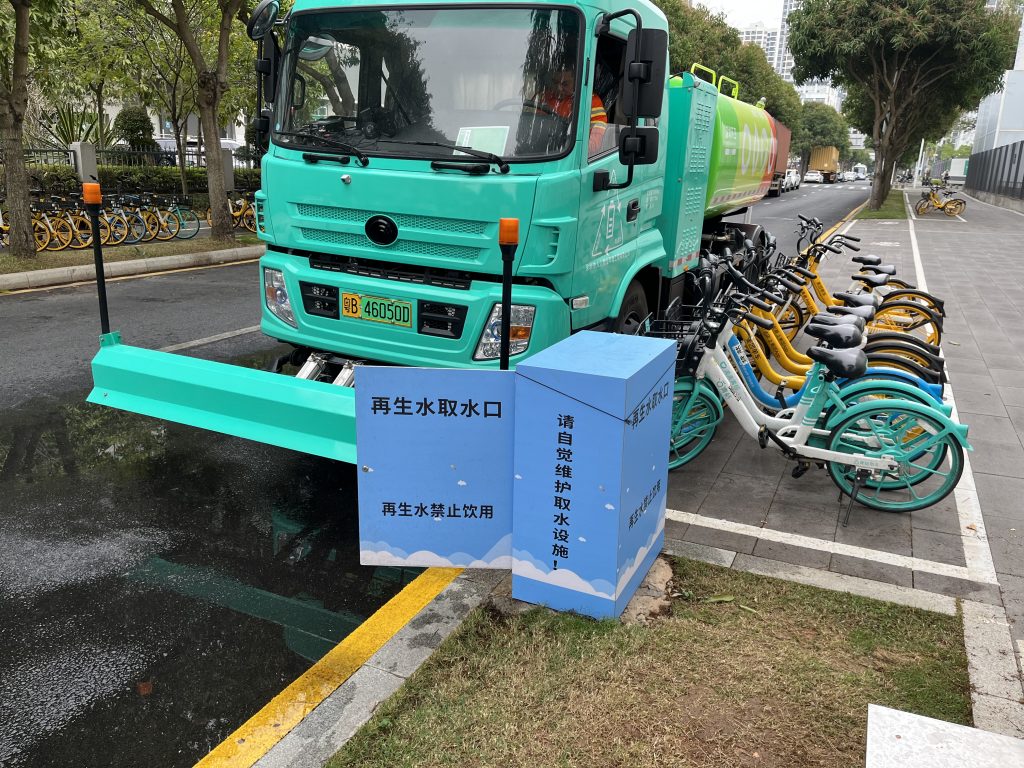
Among the key initiatives was a pilot project to reuse reclaimed water for municipal uses like road cleaning and landscaping irrigation. This reduced wastewater discharge and conserved tap water. In partnership with Hitachi Global Storage Technologies, the team improved industrial wastewater treatment and built infrastructure that can supply reclaimed water to the community with a capacity of 4,000 cubic meters per day.
In addition, the team conducted a supply chain water risk assessment by distributing questionnaires and analyzing responses from several suppliers. This helped identify water risks and indirect water use across the supply chain, providing valuable insights for future action.
This article is one of many featured in our new sustainability magazine. Explore the full issue to discover more initiatives, insights, and perspectives from across ST at st-sustainability-magazine-amplify-vol1-en.pdf
Language Versions