STMicroelectronics’ 2025 sustainability results show progress toward our 2027 carbon neutrality goal and broader ESG targets. We abated 83% of climate adverse process gases, diverted 97% of waste from disposal, and recycled or reused 51% of water, while achieving record safety performance, an adjusted gender pay gap of 2.3%, and 22% women in management. ST has sourced 86% of its electricity from renewables, supported by PPAs, energy certificates, onsite generation, and a major district cooling project in Singapore. We are preparing to offset residual emissions from 2026 onwards and strengthening cross functional governance, supplier engagement, and alliances such as RBA and AWS to drive decarbonization and responsible business practices.
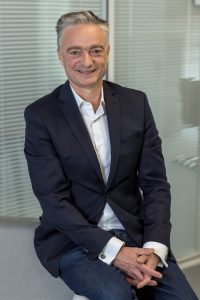
Jean Louis Champseix, Group Vice President Corporate Sustainability at STMicroelectronics, shares our 2025 sustainability results, marking the second year of reporting under the Corporate Sustainability Reporting Directive (CSRD). Using 2024 as a baseline, the 2025 Annual Report provides an updated view of our trajectory towards carbon neutrality by 2027 and our broader environmental and social ambitions.
In 2025, we continued to advance our sustainability journey within the company, building on the second year of CSRD reporting and staying on track toward carbon neutrality by 2027. The results below highlight progress across our key environmental and social priorities, reflecting the collective commitment of our teams and partners.
Some of our key results in 2025:
- Climate adverse process gases abated: 83% (up from 76% in 2024), keeping ST on track to reach 90% abatement by 2030.
- Waste diverted from disposal: 97%, as in 2024, and above the goal to recycle, recover and prepare for reuse at least 95% of waste each year.
- Water recycled or reused: 51%, slightly down from 53% in 2024. ST has projects underway to reach 60% by 2035.
- Safety total recordable case rate: 0.47 (using CSRD methodology), compared to 0.65 in 2024 and, better than the goal of <0.75.
- Labor and human rights: 10 of 11 manufacturing sites with Responsible Business Alliance (RBA) platinum recognition as in 2024.
- Women in management: 22%, up from 21% in 2024, progressing towards 25% by 2035.
These indicators are examples of the progress achieved on some environmental and social topics identified as material in ST’s double materiality assessment and contribute to addressing both the Company’s impacts and the issues that matter to our stakeholders.
Status of ST’s carbon neutrality goal
We remain on track to achieve carbon neutrality by the end of 2027 for our direct and indirect emissions (Scopes 1 and 2) and product transportation, business travel, and employee commuting emissions (Scope3).
In 2025, we achieved our two strategic milestones endorsed by the Science Based Targets initiative (SBTi):
- 50% reduction of absolute Scope 1 and 2 GHG market-based emissions versus 2018
- 80% renewable electricity sourcing with ST going further by sourcing 86% renewable electricity in 2025
This achievement reflects energy actions including new power purchase agreements (PPAs) in France and Italy, purchase of energy attribute certificates and where possible, onsite installations for renewable energy production.
A key project in 2025 was the start of operations of Singapore’s largest industrial district cooling system at our Ang Mo Kio TechnoPark, developed with our partner SP Group. This system is designed to reduce carbon emissions by up to 120,000 tons per year and cut cooling related electricity use by 20%. Importantly, it also frees up space for additional abatement equipment, supporting ST’s goal to reach 90% process gas abatement by 2030.
As part of our 2027 carbon neutrality plan, we are preparing to address residual emissions. In 2025, a roadmap for offsetting residual emissions was defined, identifying carbon credit suppliers that support credible projects and are aligned with recognized quality standards. This work will allow ST to start offsetting residual emissions from 2026, alongside its continued focus on reducing emissions across its own operations and upstream value chain.
Embedding sustainability through collaboration
Delivering our sustainability ambitions requires them to be embedded into how we run the Company. Over the past year, we strengthened our governance and ways of working, with collaboration at the core. A revised approach to program management has increased cooperation across organizations and functions on shared priorities. Dedicated boards and cross functional workstreams focus on areas such as data digitalization and stakeholder engagement, supporting operational roadmaps and risk management aligned with ST’s double materiality assessment and sustainability strategy.
Our employees play a central role. We encourage everyone to contribute to sustainability in their day-to-day activities, acting with shared vigilance and as role models in safety and inclusion. Our strong safety performance in 2025 and steady progress on gender balance in management roles reflect this collective effort.
Externally, we are deepening collaboration in our value chain, with a strong focus on decarbonization and responsible business practices. We work closely with suppliers to help reduce upstream emissions and to strengthen social, labor, human rights, and environmental standards. In 2025, we shared a decarbonization charter with our top 50 most GHG emissive suppliers. Industry and multistakeholder collaborations are another important lever. ST has been a member of the Responsible Business Alliance (RBA) since 2005 and joined the Alliance for Water Stewardship (AWS) in 2023. In 2024, our Shenzhen site in China achieved AWS certification, marking the start of our goal to certify our manufacturing sites under the AWS standard by 2035.
After more than three decades of commitment, sustainability is firmly integrated into how we run our operations and make business decisions. At ST, employees are given the opportunity to be sustainability actors and to actively contribute to the Company sustainability strategy. By working together with our employees and partners, we strive to create long-term value for all our stakeholders.
For further information about our approach to sustainability see: https://www.st.com/sustainability
Language Versions